Trincomalee Sri Lanka: The Underrated Beach Destination Guide
East coast Trincomalee guide: Nilaveli, Pigeon Island, season, and why most tourists skip it.
Posted by
 Basti
Related reading
How to Stay Fit While Traveling: A Digital Nomad's Training Guide
Maintain fitness while nomading: gym research, bodyweight backup, protein, and 3x/week routine.
Best Gyms in Bali: Uluwatu, Ubud and Canggu Tested
Personal gym picks in Bali for nomad athletes: Bambu Fitness, CrossFit Ubud, and day pass costs.
How to Work Remotely from Southeast Asia: The Full Setup Guide
SEA remote work setup: visas, SIM cards, banking, VPN, insurance, and timezone strategy.
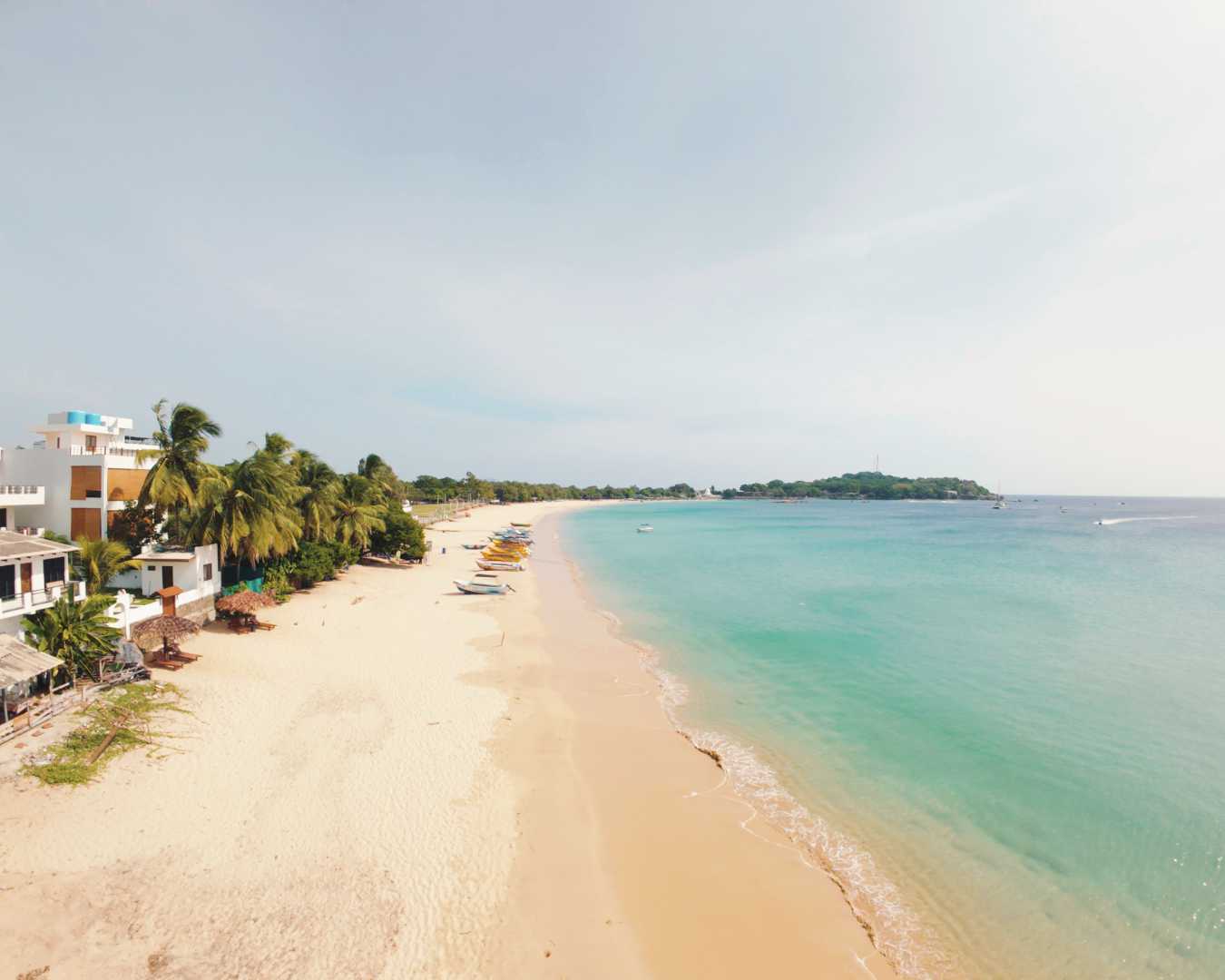
Why most Sri Lanka itineraries skip the best beaches
I spent several days on the east coast around Trincomalee and came away convinced it has the clearest water in Sri Lanka. Most tourists never see it because they follow the classic south coast route during the wrong season.
Trincomalee sits on the east coast. Its dry window runs April through September, exactly when the south coast gets monsoon rain. If you plan a Sri Lanka loop using only south coast timing, you miss this entirely.
This guide covers where to stay, what to do, how to get there, and how many days you actually need. I am writing from personal experience, not a brochure.
Planning more of this trip? See our Things to do in Trincomalee for the next layer of detail.
Uppuveli vs Nilaveli: where to base yourself
The two main beach strips north of Trincomalee town serve different travelers.
Uppuveli is the livelier strip. Beach restaurants, guesthouses, tuk-tuks, and sunset fishing boats line the sand. You can walk to food and accommodation easily. It feels more social and slightly busier.
Nilaveli is quieter and longer. The sand feels more open, the water calmer, and this is where boats leave for Pigeon Island National Park. I preferred Nilaveli for swimming and snorkeling from shore, but ate dinner in Uppuveli some evenings for variety.
Budget guesthouses run $15 to $30 per night on both strips. Meals at beach restaurants cost $3 to $6 for local seafood and rice plates.
Allow three to five days minimum. Two days feels rushed if you want Pigeon Island, a temple visit, and actual beach time.
Pigeon Island: the crown jewel
Pigeon Island National Park is the best snorkeling I found in Sri Lanka. Boats leave from Nilaveli, the ride is short, and you get coral reefs, parrotfish, reef sharks, and turtles depending on conditions.
Go early. Midday sun is harsh and boat traffic picks up. Bring your own mask if you have one, though operators rent gear. Marine park fees apply on top of the boat cost.
I floated in calm warm water for hours on the main beaches too, but Pigeon Island is the upgrade. Colorful coral, better visibility, and a proper national park experience rather than shore snorkeling alone.
Temples, forts, and hot springs
Trincomalee is not only beaches. Three cultural stops round out a full trip.
- Koneswaram Temple: A historic Hindu temple perched on Swami Rock with dramatic cliff views. Dress modestly, remove shoes, and visit late afternoon for softer light.
- Fort Frederick: A colonial fort with deer roaming inside. Free entry, one hour is enough. Unusual and worth the detour from pure beach mode.
- Kanniya Hot Springs: Seven wells of warm mineral water. Locals treat it as therapeutic. Interesting cultural stop, not a luxury spa.
Whale watching: seasonal and worth managing expectations
Whale watching season runs roughly March through July, with blue whales and sperm whales spotted offshore. Operators run morning trips from Trincomalee and Nilaveli.
I did not whale watch on my visit, but talked to travelers who did. Success varies by day. Seas can be rough. Bring motion sickness tablets if you are prone.
Book through reputable operators with life jackets and clear safety briefings. Cheap boats are not worth the risk.
How to reach Trincomalee
The scenic option is the train from Kandy. It takes most of a day but crosses hill country into the east. Book ahead in peak season.
From Anuradhapura, buses and private cars take a few hours. This pairing works well if you are doing the Cultural Triangle first, then dropping to the coast.
From Colombo, expect six to seven hours by train or bus. I would not day-trip from Colombo. Fly to the region or build it into a longer loop.
Best time to visit the east coast
April to September is the dry season window. Outside that, the east coast monsoon brings heavy rain and rough seas. Swimming and boat trips become unreliable.
If your Sri Lanka dates fall in December or January, prioritize the south coast instead and save Trincomalee for a return trip or a different season.
I visited during the dry window and had glassy mornings on Nilaveli nearly every day. That consistency is why I rank it above many south coast beaches for pure water clarity.
Where to eat and what to expect
Beach restaurants on Uppuveli serve fresh grilled fish, prawns, and rice plates at prices that feel almost too low after south coast tourist towns. I ate on the sand most evenings and paid $3 to $6 per meal.
Guesthouses on Nilaveli tend toward quiet family-run places. Uppuveli has more social energy. Neither area has luxury resort density, which keeps the atmosphere local and relaxed.
Dialog SIM cards work well along the coast. Mobile data covered everything I needed for maps and bookings. WiFi at guesthouses was adequate for async work but I would not trust video calls without testing first.
Why the east coast stays quiet
Most guidebooks and default itineraries loop the south and hill country. The east coast monsoon outside April to September makes Trincomalee seasonal in a way Galle is not. Travelers on two-week December trips never even consider it.
That seasonality is exactly why it works for travelers who can shift dates. I had entire beach mornings with minimal crowds. Pigeon Island felt busy but not overrun. Compare that to south coast peak season density and the east coast reward becomes obvious.
If your Sri Lanka dates are flexible, build the itinerary around east coast dry season first, then backfill Cultural Triangle and hill country around those windows. I made the mistake on an earlier trip of fixing Sigiriya dates before checking monsoon calendars. Reordering around Trincomalee season saved the beach portion of that route.
A four-day Trincomalee itinerary
- Day 1: Arrive, check into Nilaveli or Uppuveli, sunset swim and beach dinner.
- Day 2: Pigeon Island morning snorkeling, afternoon rest, Uppuveli sunset.
- Day 3: Koneswaram Temple and Fort Frederick, optional hot springs.
- Day 4: Whale watching if in season, or repeat your favorite beach and snorkel spot before moving on.
Save every beach, boat operator, and temple pin to a shared map before you arrive. ONVA is how I kept our east coast plans synced with my partner without another WhatsApp thread full of lost links.
The east coast deserves your calendar
Trincomalee will not replace Galle for travelers locked into December holidays. For anyone with flexible dates between April and September, it delivers the best water I found in Sri Lanka.
I would build an entire two-week trip around east coast season plus Cultural Triangle rather than forcing south coast timing because a guidebook defaulted that way.
Save boat operators, temple hours, and guesthouse contacts to one shared map before you arrive. The east coast rewards prepared travelers more than spontaneous ones.
Frequently asked questions
Is Trincomalee worth adding to a Sri Lanka trip?
Yes, if you travel April to September and want the best beaches in the country.
Skip it if your dates fall in south coast season or you only have ten days and have not done Ella and Sigiriya yet.
How many days do you need in Trincomalee?
Three to five days. Two is the minimum for Pigeon Island plus one beach day.
I could have stayed a full week without running out of things to do.
Trincomalee vs south coast beaches?
Trincomalee wins on water clarity and calm swimming in season. The south coast wins on infrastructure, surf, and year-round access for many travelers.
They complement each other on different calendars, not in the same week.
Can you snorkel from the beach without Pigeon Island?
Yes. I snorkeled from Nilaveli and Uppuveli shores and saw colorful fish and coral patches.
Pigeon Island is still the highlight if you have time for the boat trip.
Is Trincomalee safe for tourists?
I felt comfortable as a foreign traveler. Standard precautions apply: secure valuables, use reputable boat operators, and dress modestly at temples.
The east coast sees fewer tourists than the south, which I considered a plus.
Solo female travelers I met reported similar comfort levels with standard travel awareness.
Is the train from Colombo worth it?
Yes for scenery and cost. No if you are time-limited. Six to seven hours beats flying for budget travelers with flexible schedules.
Book reserved seats if traveling on weekends or holidays.
Related reading
Free on iOS & Android
Plan your next trip in one app
ONVA is the shared travel OS for couples and nomads — maps, expenses, chat, documents, and AI planning in one place.