Best Things to Do in Trincomalee: Beaches, Temples and Diving
Trincomalee activities: Pigeon Island, Koneswaram Temple, whale watching, and beach days.
Posted by
 Basti
Related reading
How to Stay Fit While Traveling: A Digital Nomad's Training Guide
Maintain fitness while nomading: gym research, bodyweight backup, protein, and 3x/week routine.
Best Gyms in Bali: Uluwatu, Ubud and Canggu Tested
Personal gym picks in Bali for nomad athletes: Bambu Fitness, CrossFit Ubud, and day pass costs.
How to Work Remotely from Southeast Asia: The Full Setup Guide
SEA remote work setup: visas, SIM cards, banking, VPN, insurance, and timezone strategy.
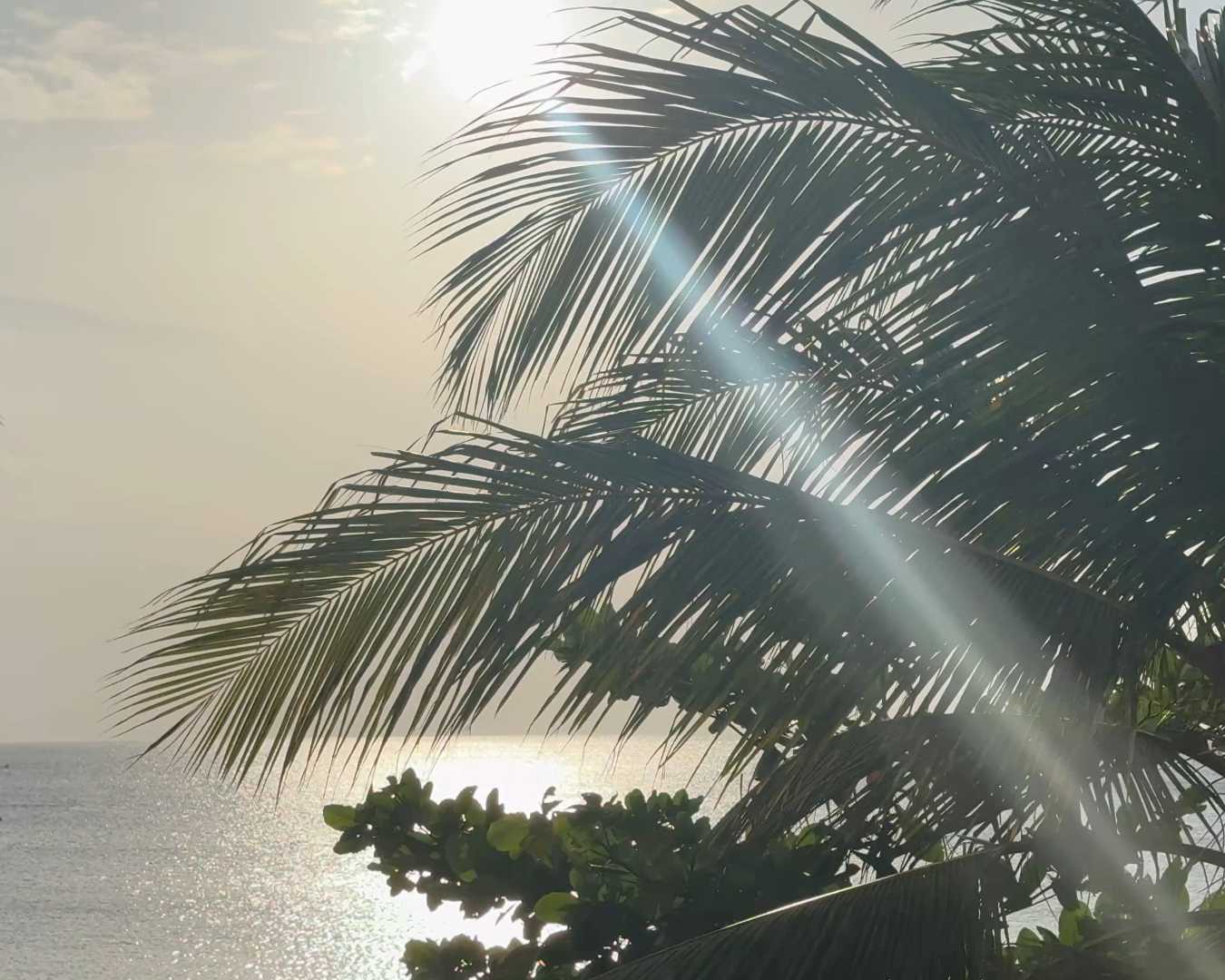
The best things to do in Trincomalee
I came to Trincomalee expecting a quiet beach break and left with a list of activities I still recommend to friends planning Sri Lanka east coast routes.
This is the activity-focused companion to my broader Trincomalee travel guide. Every item below I did personally or verified on the ground. Budgets are mid-range traveler numbers, not luxury resort pricing.
Plan three to five days if you want beaches, snorkeling, culture, and optional whale watching without rushing.
Planning more of this trip? See our Trincomalee travel guide for the next layer of detail.
1. Snorkel Pigeon Island National Park
Pigeon Island is the headline activity. Boats depart from Nilaveli, the ride is short, and you enter a marine national park with coral reefs, reef sharks, turtles, and dense fish life.
Go early morning for calmer water and better light. Rent snorkel gear on site if needed, but bring your own mask if you are picky about fit. Park fees and boat costs are separate line items. Budget roughly $30 to $50 per person total depending on season and negotiation.
This beat every shore snorkel I tried elsewhere in Sri Lanka for coral quality and visibility.
2. Swim at Nilaveli and Uppuveli beaches
You do not need a boat to enjoy Trincomalee water. Nilaveli has long calm stretches perfect for floating. Uppuveli has more restaurants and social energy at sunset.
I spent hours in warm clear water without leaving the shore. Snorkel from the beach and you will still see colorful fish and coral patches, just not at Pigeon Island levels.
Sunset at Uppuveli with fishing boats pulling in is one of the free highlights. Fresh seafood restaurants on the sand serve grilled fish for a few dollars.
3. Visit Koneswaram Temple on Swami Rock
Koneswaram is a historic Hindu temple dramatically set on cliffs overlooking the ocean. The mythology and maritime history run deep here.
Dress modestly: covered shoulders and knees. Remove shoes before entering temple areas. Late afternoon visits give you golden light on the cliffs without midday heat.
Combine with Fort Frederick the same half-day if you hire a tuk-tuk for the afternoon.
4. Walk through Fort Frederick
Fort Frederick is a colonial-era fort with an unusual twist: deer roam freely inside the walls. Entry is free and one hour covers the ramparts, tree-lined paths, and harbor views.
It is not a massive fortress by European standards, but the deer and harbor vantage make it memorable. Good cultural counterbalance to beach-heavy days.
5. Soak at Kanniya Hot Springs
Kanniya has seven wells of warm mineral water locals visit for therapeutic soaking. It is simple infrastructure, not a spa resort.
Worth an hour if you want a cultural stop beyond temples and beaches. Bring a towel and expect a local atmosphere rather than tourist polish.
6. Whale and dolphin watching (seasonal)
March through July is the main whale watching window. Blue whales and sperm whales appear offshore. Morning boats leave from Trincomalee and Nilaveli operators.
Seas can be rough. Sightings are never guaranteed. I skipped it on my trip but travelers I met rated it highly on calm days.
Choose operators with proper safety equipment and realistic briefings, not the cheapest sign on the beach.
7. Scuba diving and dive courses
Nilaveli has diving operators running fun dives and PADI courses. Wreck dives and reef sites exist beyond what snorkelers see at Pigeon Island.
East coast seasonality matters. Confirm conditions before booking a multi-day course. April to September is the reliable window.
8. Explore Trincomalee town market
The local market is where beach-trip travelers remember they are in a working Sri Lankan city. Spices, produce, fish, and everyday commerce without tour-group packaging.
Go in the morning. Pair with lunch in town for rice and curry away from the beach restaurant markup.
What surprised me on the ground
I expected good beaches. I did not expect to float in water this clear for hours without a boat trip. Shore snorkeling at Nilaveli produced parrotfish, coral patches, and enough color to satisfy non-divers.
Koneswaram Temple felt more dramatic in person than photos suggested. The cliff drop to the ocean below the temple is genuinely stunning. Combine it with Fort Frederick the same afternoon for a culture day that breaks up beach repetition.
Whale watching gets marketed heavily. Talk to recent travelers before paying premium prices. Calm seas in season help. Rough seas make the trip miserable regardless of wildlife.
Daily budget breakdown
Guesthouse: $15 to $30. Meals: $10 to $18 total for three local meals. Tuk-tuk half-day: $10 to $15. Pigeon Island boat plus park fee: $30 to $50. Whale watching if booked: $40 to $80.
I averaged $45 per day excluding one whale watching day I skipped. Trincomalee is one of the better value coasts in Sri Lanka if you eat local and avoid imported alcohol.
Boat operators negotiate. Ask your guesthouse for recommended skippers rather than booking random beach touts. I paid slightly more through a guesthouse referral and got a safer boat with proper life jackets and respectful snorkeling distances from coral.
How I would schedule four days
- Day 1: Arrive, beach swim, Uppuveli sunset dinner.
- Day 2: Pigeon Island morning, lazy afternoon, optional night market.
- Day 3: Koneswaram, Fort Frederick, hot springs.
- Day 4: Whale watching or repeat favorite snorkel spot, then train or bus onward.
Drop each activity as a pin on a shared map in ONVA with boat operator contacts and rough costs attached. When you are on the beach deciding what to do tomorrow, one map beats scrolling through saved Instagram posts.
Trincomalee activity planning tips
Stack water activities on consecutive days when seas are calm. Weather shifts fast on the east coast. If Pigeon Island conditions are perfect on day two, go immediately rather than saving it for day four when wind might cancel boats.
Temple and fort visits fit naturally on rest days between snorkel sessions. Your skin and ears need recovery from salt water anyway.
I saved every operator phone number and boat price to ONVA because east coast tourism infrastructure is thinner than the south. Having contacts offline matters when guesthouse WiFi drops.
Frequently asked questions
What is the number one thing to do in Trincomalee?
Pigeon Island snorkeling if you are here April to September.
Outside boat season, Koneswaram plus Nilaveli beach swimming is the best combo.
How much does a Trincomalee trip cost per day?
I averaged $40 to $60 per day mid-range: guesthouse, local meals, one paid activity.
Pigeon Island and whale watching push individual days higher.
Is Trincomalee good for families?
Calm Nilaveli water suits kids. Pigeon Island snorkeling works for confident swimmers with supervision.
Temple visits require modest dress and patience with heat.
Diving or snorkeling in Trincomalee?
Snorkeling at Pigeon Island satisfies most visitors. Dive if you want wrecks, deeper reefs, or certification courses.
I only snorkeled and did not feel I missed essential experiences.
What pairs well with Trincomalee?
Anuradhapura and Wilpattu safari to the west, or Ella and the hill country south via Kandy train.
Build the full loop in one itinerary app so train times and coast seasons stay visible together.
I routed east coast after Cultural Triangle, which minimized backtracking across Sri Lanka.
Do you need a scooter in Trincomalee?
Not essential. Tuk-tuks cover beach strips and town cheaply. Scooters help if you stay inland or want independent exploration.
I used tuk-tuks exclusively and had no mobility problems.
Related reading
Free on iOS & Android
Plan your next trip in one app
ONVA is the shared travel OS for couples and nomads — maps, expenses, chat, documents, and AI planning in one place.