Best Snorkeling on Gili Air: Spots, Tips and What to Expect
Turtle Point, gear rental, best times, and snorkeling tips from 3 Gili Air visits.
Posted by
 Basti
BastiRelated reading
Best Food in Ella Sri Lanka: Restaurants, Local Spots and Street Eats
Ella food picks from personal visits: curry spots, kottu, rotti, and budget eating under $10/day.
Ella Sri Lanka Travel Guide: The Complete Mountain Town Playbook
Complete Ella guide: train arrival, hikes, Nine Arch Bridge, food, and how many days you need.
Things to Do in Lombok Beyond the Gili Islands
Mainland Lombok activities: Kuta beaches, Rinjani trek, waterfalls, Sasak villages, and surf.
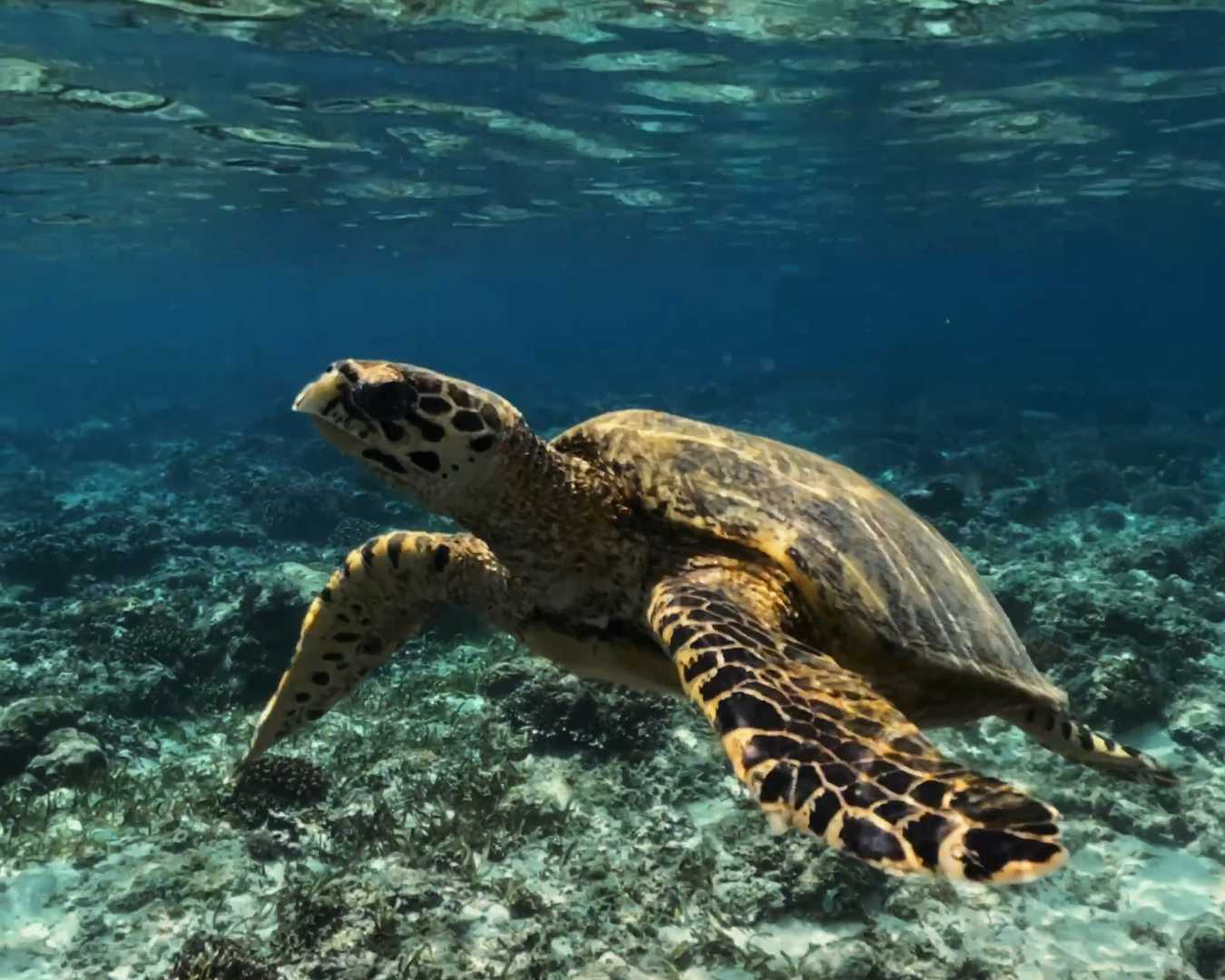
Why Gili Air snorkeling surprised me
I have snorkeled across Bali, Lombok, and the Gilis on three separate trips to Gili Air. The water clarity, turtle density, and shore access here beat most day-trip snorkeling I have done in Indonesia.
You do not need a dive certification to see sea turtles, reef fish, and healthy coral within minutes of the beach. You do need to know where to enter, when to go, and what to watch out for.
This guide covers every spot I return to, the gear question, boat traffic risks, and how to combine shore snorkeling with the classic three-island triangle tour.
I wrote this for travelers who already booked Gili Air and want specifics, not generic “the water is beautiful” advice. Compass bearings, timing windows, and the mistakes I made on visit one so you skip them on visit one.
Planning more of this trip? See our Gili Air island guide for the next layer of detail.
Turtle Point: the spot everyone asks about
Turtle Point sits on the northeast side of Gili Air, near Karisma Bistro. This is the main shore snorkel on the island and the reason most visitors see turtles without booking a boat.
Enter from the beach and swim out toward the reef. Follow the right side of the island as you work along the coast. The turtles feed on seagrass in the shallows and rest on the reef slope.
On my best morning I saw eight turtles in under two hours. That was an outlier, but two to four turtles per session is normal if you go early.
Timing: Be in the water by 7 to 8 a.m. Boat traffic picks up after 9 a.m. and stirs sediment. Afternoon sessions work on calm days, but morning wins for visibility and turtle activity.
Etiquette: Do not chase turtles. Keep three meters distance. Do not touch coral or marine life. The Gili Eco Trust runs conservation programs here, and the reefs have recovered well since the 2016 bleaching event.
Other snorkeling spots around Gili Air
Turtle Point gets the attention, but the island has more than one worthwhile entry.
- Biorock reefs: The Gili Eco Trust maintains artificial reef structures that attract fish and support coral recovery. Look for marked conservation areas along the east and north coasts.
- North coast: Quieter water, fewer boats, good for a second morning session if Turtle Point feels busy.
- West coast sunset side: Better for a casual afternoon float than serious reef exploration. Visibility varies with tide.
- Gili Meno turtle sanctuary: Not on Gili Air, but an easy half-day trip. Shallow pools with rescued turtles. Good for families, less wild than open-water encounters.
Pin each entry point on your trip map with tide notes and morning alarms.
I save spots in ONVA with labels like “Turtle Point, enter 7 a.m.” so my partner and I do not debate directions at sunrise.
The snorkeling triangle: all three Gili islands
The classic Gili snorkeling triangle is a half-day boat tour hitting Gili Air, Gili Meno, and Gili Trawangan in one loop.
Local operators run these daily from the east coast pier area. Expect to pay roughly 150,000 to 250,000 IDR per person depending on season and group size. Tours usually include mask, snorkel, and fins.
The triangle makes sense if you want variety in one morning or if shore conditions on Gili Air are rough. Honestly, if you have three nights on Gili Air, I would do two shore mornings and skip the triangle unless weather forces it.
Boat tours stop at two to three reef points between islands. Turtle sightings are common but not guaranteed on tour days with heavy boat traffic.
Bring your own mask if you have one. Rental gear works, but leaky masks ruin an otherwise great session.
Gear, safety, and what to watch for
Rent or bring? Rental sets cost 50,000 to 75,000 IDR per day from beach shops along the east coast. Quality varies. If you snorkel more than once a year, bring your own mask. Fit matters more than fins.
Freediving: Gili Air has freediving schools if you want to go deeper than casual snorkeling. I have not taken a course here, but divers I met rated the instruction highly.
Currents: The north side can run stronger on certain tides. Stay close to shore if you are not a confident swimmer. Never snorkel alone in open water.
Boat traffic: The main risk near Turtle Point is speedboats, not marine life. Swim parallel to shore, stay visible, and avoid the channel where boats approach the pier.
Jellyfish: Seasonal and usually mild. I have been stung once in three visits. Vinegar at your hotel helps. Rash guards reduce exposure.
Do
- Snorkel before 9 a.m. for best visibility
- Bring reef-safe sunscreen
- Keep distance from turtles and coral
- Check tide and wind the night before
Don't
- Snorkel in the main boat channel at midday
- Touch turtles or stand on coral
- Assume rental masks will fit without testing
- Skip the Orange Warung lunch after your morning session
Snorkeling vs diving on Gili Air
Gili Air has several dive shops offering fun dives and PADI courses. Diving gets you deeper reefs, more fish species, and access to sites shore snorkelers cannot reach.
For most visitors, snorkeling is enough. Turtles, reef fish, and coral gardens are visible from the surface at Turtle Point and along the biorock structures.
Consider diving if you are already certified, want night dives, or plan to explore the deeper walls between Gili Air and Gili Meno. Open Water courses run on all three islands. Gili Air shops tend to be less crowded than Gili T operators.
I split costs for dive trips and snorkel gear rentals in my travel app from day one.
Multi-currency logging matters on the Gilis where everything is IDR but your brain thinks in euros or dollars.
Seasonal conditions and visibility
Dry season runs April through October. That is when you want to plan serious snorkeling. Rainy season brings runoff from Lombok that can reduce visibility for days after heavy storms.
I have snorkeled in May, July, and September. May and September delivered the best combination of clear water and manageable crowds. July was still good underwater but the beaches felt busier by 10 a.m.
Tide matters as much as season. Ask your hotel or a dive shop about low tide windows. Some entries get shallow enough to scrape coral if you go at the wrong hour. Turtle Point is forgiving on most tides, but north coast entries need more planning.
Wind picks up in the afternoon on most days. Morning sessions are not just a recommendation. They are the difference between glassy water and choppy surface chop that ruins photography.
A perfect snorkeling day on Gili Air
6:30 a.m. Coffee at Gili Coffee Roaster. Light breakfast.
7:00 a.m. Shore entry at Turtle Point. Two hours in the water.
9:30 a.m. Rinse off, dry on the beach.
10:00 a.m. Late breakfast at Orange Warung. Best local Indonesian on the island.
Afternoon: Rest, read, bicycle the island perimeter. Optional second snorkel on the north coast if conditions stay calm.
Evening:Sunset at Mama Pizza or a west-coast warung. Save tomorrow's tide window to your shared itinerary.
Build this day into a ONVA journey with pins for entry points, restaurants, and your boat departure time. One map, one plan, both phones synced.
If you are traveling with a partner who snorkels at different speeds, agree on a meeting point on shore before entering the water. Gili Air has no lifeguard towers. Simple coordination prevents the “where did you get out?” panic that ruins a good morning.
I also log snorkel gear rental as a shared expense the day we rent it. Small costs add up on island trips where everything is cash. One expense tracker from the pier onward keeps the math honest.
Conservation and the Gili Eco Trust
The Gili Eco Trust runs reef restoration and waste management across the three Gili islands. Biorock structures you snorkel past are not random metal frames. They are part of an active recovery program after widespread coral bleaching in 2016.
Turtles are more abundant off Gili Air than Gili T or Meno according to local conservation workers I spoke with. Whether that is enforcement, reef health, or boat traffic patterns, the result is the same for visitors: better encounters on Air.
Pay the small reef tax if asked. Do not touch coral. Take trash back to your hotel. The island stays beautiful only if visitors respect the rules that locals enforce daily.
Frequently asked questions
Where can I see sea turtles on Gili Air?
Turtle Point near Karisma Bistro on the northeast coast.
Swim out from the beach along the right side of the island. Go early morning for the best chance of multiple sightings.
What is the best time to snorkel on Gili Air?
Early morning, ideally 7 to 9 a.m.
Calm water, fewer boats, better visibility. April to October dry season gives the most reliable conditions.
How much does snorkel gear rental cost on Gili Air?
Expect 50,000 to 75,000 IDR per day for mask, snorkel, and fins.
Boat tours often include gear in the ticket price. Bring your own mask if you have one that fits.
Is the three-island snorkeling triangle worth it?
Worth it once if you want variety or if shore conditions are rough.
If you are staying three nights, two shore mornings at Turtle Point usually deliver better turtle encounters than a crowded boat tour.
Is Gili Air snorkeling good for beginners?
Yes. Shallow entries, calm mornings, and clear water make it beginner-friendly.
Stay close to shore, avoid boat channels, and snorkel with a buddy. Consider a guided shore session if you are not confident in open water.
Curated map in ONVA
Open Gili Air Highlights
Snorkel spots, warungs, beaches, and island pins from three visits.
On your phone, the link opens ONVA or the App Store. On desktop, it takes you to getonva.app to download the app.
Related reading
Free on iOS & Android
Plan your next trip in one app
ONVA is the shared travel OS for couples and nomads — maps, expenses, chat, documents, and AI planning in one place.